Hot-Weather Truck Tyre Pressure: A Fleet Checklist for Pakistan
Hot roads, long motorway runs and heavy loads make pressure discipline essential for truck tyres in Pakistan. This guide gives fleet teams a repeatable pre-dispatch process without prescribing a universal PSI: the correct cold pressure must come from the vehicle, tyre and load information for the actual application.
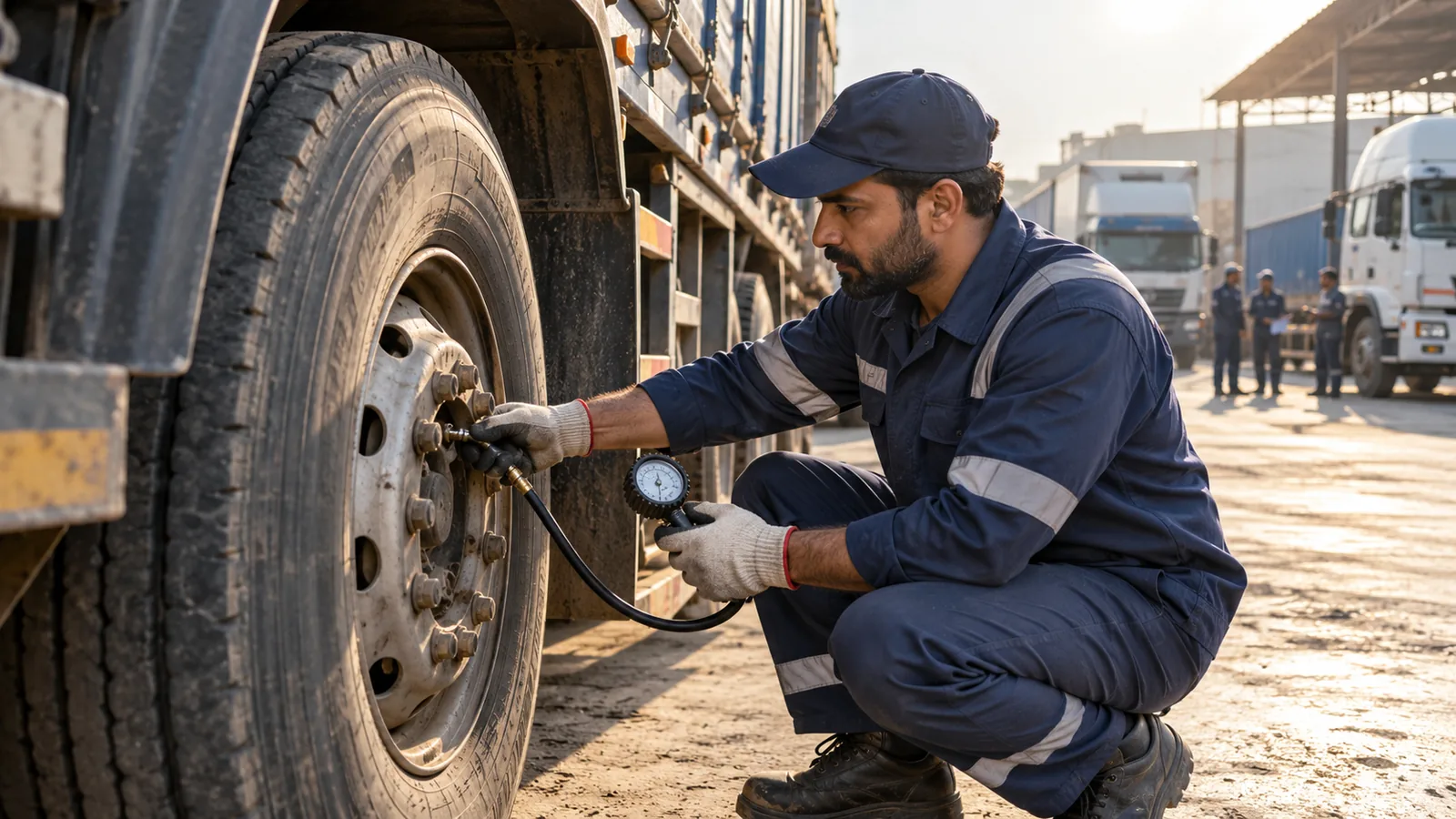
Why heat changes the pressure conversation
Tyre pressure rises as a tyre runs and warms. That normal increase is one reason a hot reading should not be “corrected” by releasing air. Michelin’s commercial guidance says pressure should be checked cold, before travel or after the tyre has had time to cool, with the value set for the load and application. NHTSA likewise recommends checking tyres when cold and using the vehicle maker’s recommended pressure information.
Pakistan’s summer conditions add urgency, but ambient temperature is only one input. Axle load, speed, route, wheel position and the tyre’s load and speed markings all matter. A fleet operating from Karachi to an inland depot may expose the same casing to a large temperature range in one shift. The safe response is a controlled inspection routine and accurate records, rather than a seasonal guess.
A six-point pre-dispatch checklist
- Start cold. Check every position before the vehicle leaves, using a maintained gauge. Record the reading so repeated pressure loss becomes visible.
- Match pressure to load. Confirm the actual axle loading, tyre size, fitment and the applicable manufacturer load-and-inflation data. Never use one fleet-wide number across unlike vehicles.
- Inspect valves and caps. Look for damaged stems, missing caps and signs of leakage. A valve fault can undo an otherwise sound maintenance programme.
- Read the casing. Check for cuts, bulges, exposed material, impact damage, unusual wear and objects in the tread. Remove a suspect tyre from service for professional inspection.
- Compare duals. Mismatched inflation or diameter in a dual assembly can shift load and create uneven wear. Inspect both tyres, including the inward-facing sidewalls.
- Review after the route. Do not bleed a hot tyre. Investigate recurring loss, overheating or irregular wear before the next dispatch.
Pressure, load and the 315/80R22.5 truck tyre
The 315/80R22.5 truck tyre is a common commercial search, but size alone does not define suitability. Buyers should also provide axle position, axle load, vehicle type, route, speed profile and whether the work is long-haul, regional, urban-bus or mixed service. The tyre’s service description and load index then need to be checked against the vehicle and applicable guidance.
MYCO’s sample catalogue includes the Hifly HH602XS as a steer/trailer example and the Hifly HH605XS as a drive pattern whose official manufacturer sheet lists 315/80R22.5. These links are useful starting points for discussing position and duty. They are not confirmation of current stock or a fitment recommendation.
Make pressure loss visible
A short log can improve commercial tyre maintenance: vehicle, position, cold pressure, date, odometer, tread observation and action taken. Set an escalation rule for repeated loss and train drivers to report pulling, vibration or visible damage. A tyre that repeatedly needs air needs investigation, not another top-up.
Gauge control belongs in the same system. Assign known gauges to inspection points, protect them from impact and dirt, and compare their readings on a planned schedule. Where a tyre-pressure monitoring system is fitted, treat its alerts as an early-warning tool rather than a replacement for visual checks. Supervisors can review the log by vehicle and wheel position each week, looking for recurring leaks, rapid shoulder wear or one route that produces repeated damage. Closing those patterns is more valuable than collecting readings that nobody reviews.
For a quote, send MYCO the size marked on the sidewall, quantity, axle position, vehicle model, usual axle load, route and operating conditions. That information helps the sales desk narrow the TBR catalogue to relevant options while the fleet retains responsibility for approval and service pressure.
| Check | Record | Action |
|---|---|---|
| Cold pressure | Reading by wheel position | Compare with approved load-and-inflation guidance |
| Axle load | Measured or controlled operating load | Correct overloading before dispatch |
| Valve and cap | Leak, damage or missing cap | Repair before service |
| Tread and sidewall | Cuts, bulges, objects, uneven wear | Refer suspect tyre for professional inspection |
Frequently asked questions
Should a driver release air from a hot truck tyre?
No. A pressure rise after running is expected. Check and adjust when cold, and investigate abnormal heat or repeated loss using approved manufacturer guidance.
Is there one correct truck tyre pressure for Pakistan?
No. The correct setting depends on the tyre, load, axle position, vehicle and application. Use the vehicle and tyre manufacturer information for the actual operating load.
What should I send when requesting 315/80R22.5 tyres?
Send quantity, axle position, vehicle type, route, usual axle load and duty cycle, plus any required load and speed ratings.
References
Technical and regulatory information should be checked again before operational or legal decisions.
Related publications

The Lowest Tyre Price Is Not Always the Lowest Fleet Cost
How fleets in Pakistan can compare commercial truck tyres by cost per kilometre, downtime, fuel influence, maintenance, route and casing value.
Read publication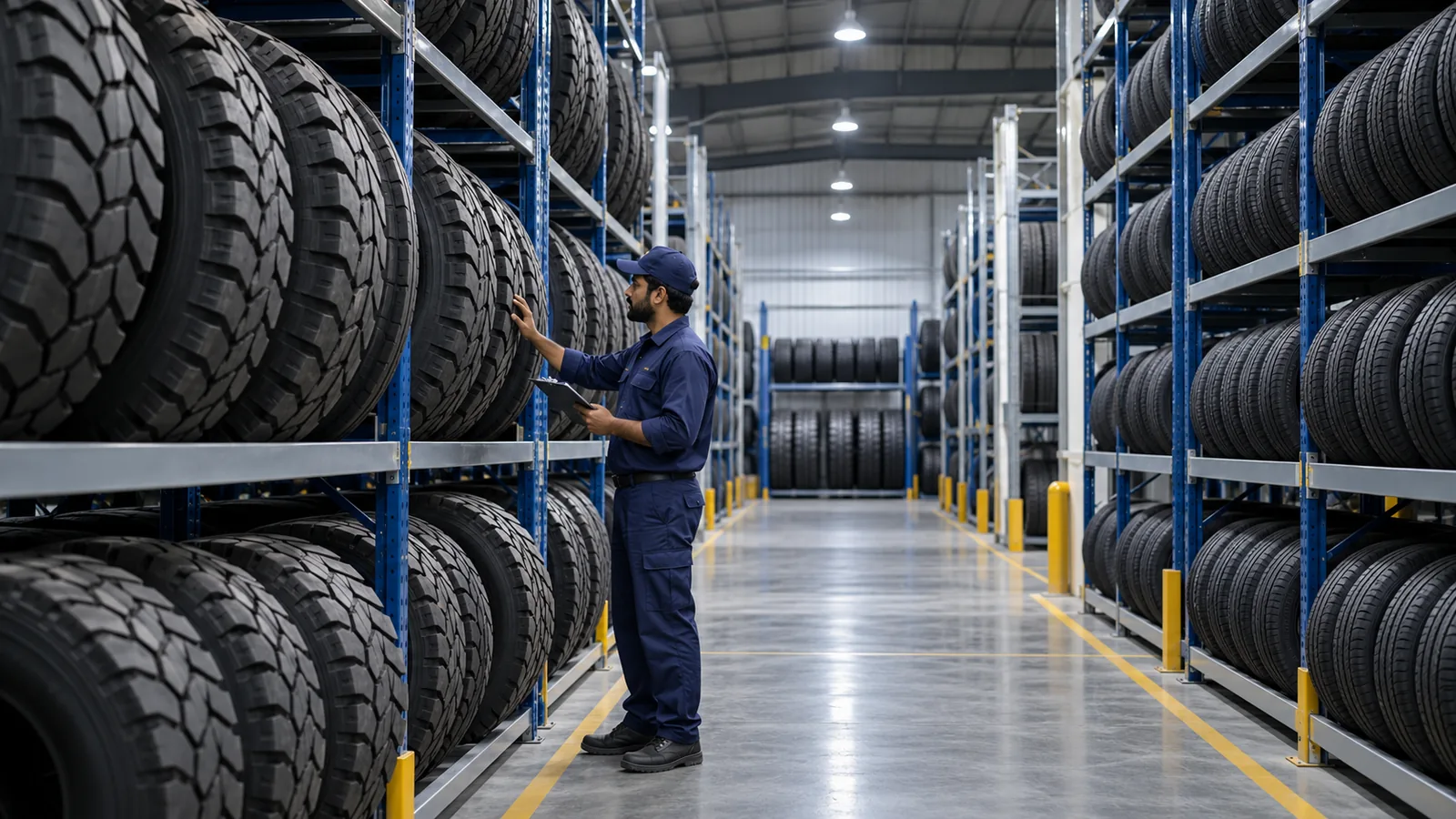
How Tyre Dealers Should Store TBR and PCR Tyres in Pakistan’s Climate
Practical tyre storage guidance for Pakistan dealers covering sunlight, heat, moisture, ozone, chemicals, positioning, stock rotation and inspections.
Read publication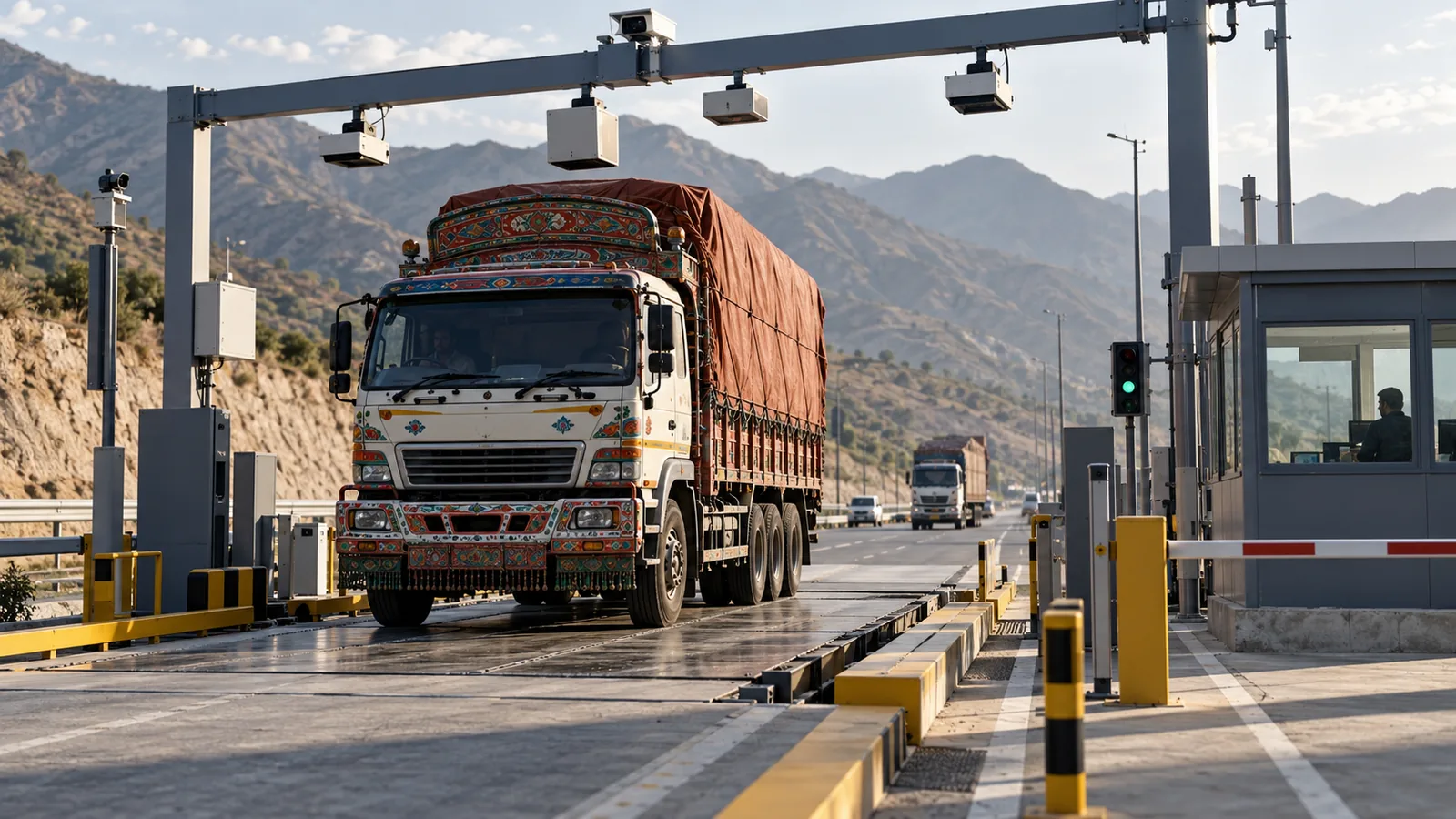
Pakistan Tightens Axle-Load Enforcement: What Fleet Operators Should Prepare For
What Pakistan’s 2026 axle-load enforcement direction means for fleet records, weighing, tyre load index checks and commercial tyre RFQs.
Read publicationDiscuss your tyre requirement
Tell MYCO what the vehicle carries, where it runs and which axle needs a tyre.