The Lowest Tyre Price Is Not Always the Lowest Fleet Cost
A low invoice price can look attractive while hiding more replacements, irregular wear or costly downtime. Fleet buyers can make a stronger comparison by measuring cost per kilometre and matching each commercial truck tyre to its axle position, route and maintenance capability.

Start with cost per kilometre
The purchase price is only the numerator’s starting point. A simple tyre cost per kilometre calculation divides the net tyre cost by the usable distance delivered. Fleets can refine it by adding repair, service and downtime costs, then subtracting any verified casing value. The result is useful only when routes, loads and removal policies are comparable.
Michelin’s fleet guidance recommends selecting tyres around application, position and operating conditions. USTMA’s commercial care manual also treats inspection, inflation, loading and service practices as connected parts of tyre performance. That means procurement and maintenance records belong in the same decision.
Compare the factors that change total cost
| Factor | What to compare | Why it matters |
|---|---|---|
| Mileage | Distance to planned removal at a consistent tread policy | Turns price into a usable cost-per-kilometre measure |
| Fuel influence | Vehicle fuel data across comparable routes | Rolling resistance can affect operating cost, but route and driving variables must be controlled |
| Downtime | Road calls, delays and workshop hours | A cheaper tyre can become expensive when service interruptions rise |
| Maintenance | Pressure, alignment, rotation and inspection history | Poor care can overwhelm differences between products |
| Casing outcome | Inspection result and any realised reuse value | Count verified value, not an assumed future credit |
Steer, drive and trailer are different jobs
A steer tyre must support directional control and predictable handling. A drive pattern usually prioritises traction and torque transfer. A trailer tyre must manage free-rolling service, scrub and the trailer’s operating pattern. Buying one tread concept for every position can weaken the comparison even when the size matches.
For example, the prototype catalogue lists Fortune FAR603 for all-position use; Fortune FDR606 for drive use; and Fortune FTH155 for all-position use. They illustrate how position changes the buying brief. Comparable Hifly, and Longmarch ranges can be reviewed by the same criteria.
Run a controlled fleet comparison
- Define the vehicle group, route, load and axle position before selecting candidates.
- Record fitted date, odometer, cold pressure checks, rotations, repairs and removal reason.
- Use the same tread-removal and safety rules for every candidate.
- Separate tyre-related downtime from unrelated vehicle delays.
- Review results by position and route before expanding the purchase.
Fuel comparisons need particular care. Drivers, traffic, weather, payload and vehicle condition can change consumption. Use sufficient data from similar work and treat a small pilot as evidence for the next decision, not a universal promise.
Set a removal policy before the trial
A comparison becomes unreliable when one tyre is removed at a different remaining tread depth or kept in service after a fleet would normally replace it. Define inspection intervals, minimum internal removal criteria and who records the reason. Separate normal wear from damage, alignment, pressure loss and operational incidents. Photograph unusual removals and retain the casing until the review is complete. If casing value forms part of the business case, record what was actually accepted and credited rather than using a forecast value for every tyre.
Procurement should also test supply continuity. Ask how repeat orders, mixed-position quantities and urgent replacements will be handled. A consistent product that can be replenished on the fleet’s route may reduce workshop variation and stranded stock. Put delivery performance beside tyre performance in the same review.
What to send a fleet tyre supplier in Pakistan
Give the supplier size, quantity, axle position, vehicle type, normal payload, route surface, typical speed, annual distance and present maintenance routine. Share the problem you want to solve: irregular wear, traction, availability planning or cost per kilometre. This produces a more useful quote than asking only for the lowest price among TBR tyres in Pakistan.
Frequently asked questions
How do fleets calculate tyre cost per kilometre?
Divide net tyre cost by usable kilometres, then add consistently recorded service and downtime costs and account only for realised casing value.
Can one truck tyre pattern work on every axle?
Some patterns are listed as all-position, but suitability still depends on the vehicle, load, route and manufacturer application guidance.
What makes a useful tyre trial?
Use comparable vehicles and routes, record maintenance and removal reasons, and judge each axle position under the same safety and tread policies.
References
- Michelin — Choosing truck tyres for freight
- Michelin — Fleet tyre cost and performance strategy
- USTMA — Care and service of commercial truck and bus tyres
Technical and regulatory information should be checked again before operational or legal decisions.
Related publications

Hot-Weather Truck Tyre Pressure: A Fleet Checklist for Pakistan
A practical truck tyre pressure checklist for Pakistan fleets covering heat, axle load, valves, damage checks and 315/80R22.5 tyre selection.
Read publication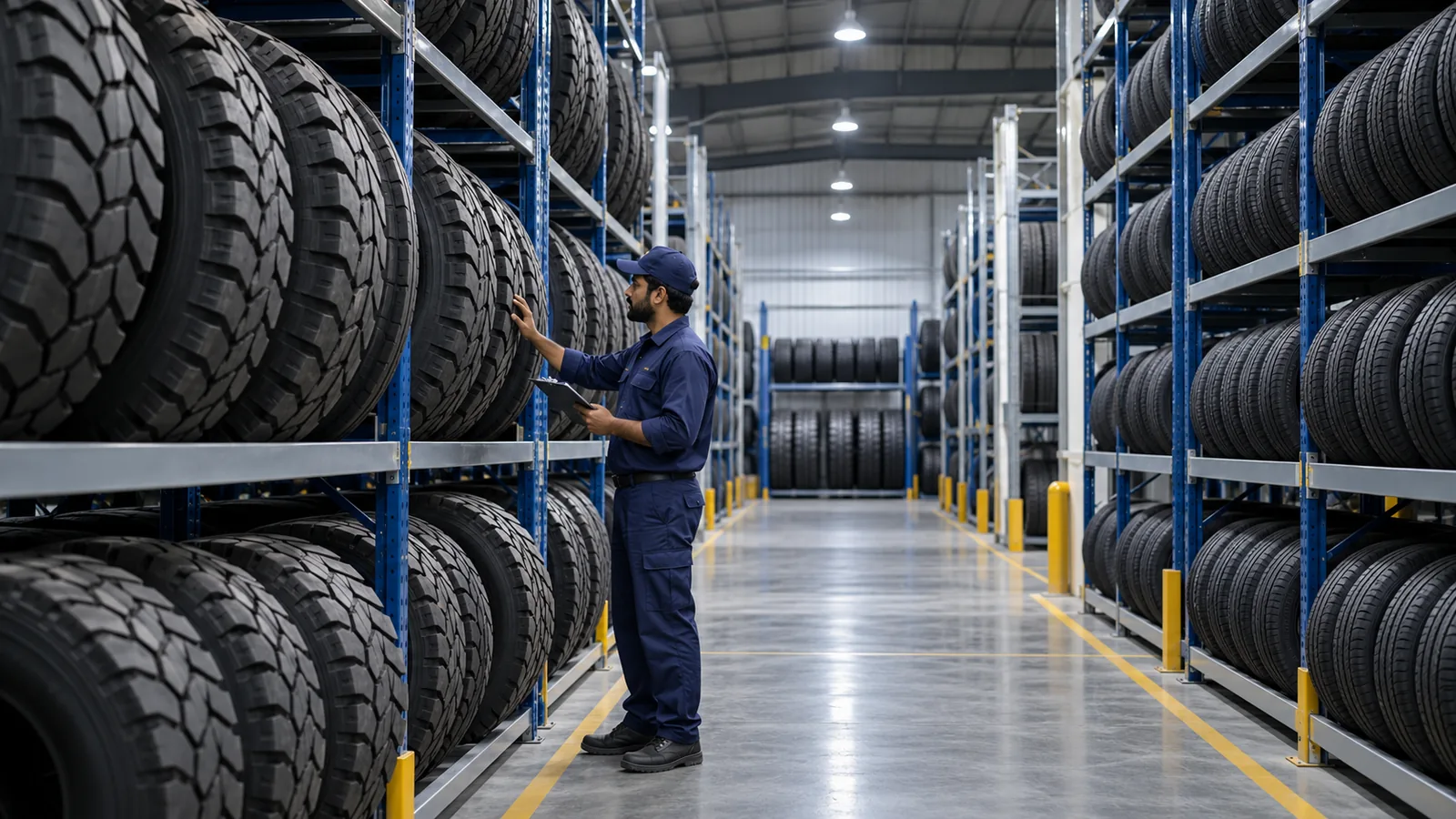
How Tyre Dealers Should Store TBR and PCR Tyres in Pakistan’s Climate
Practical tyre storage guidance for Pakistan dealers covering sunlight, heat, moisture, ozone, chemicals, positioning, stock rotation and inspections.
Read publication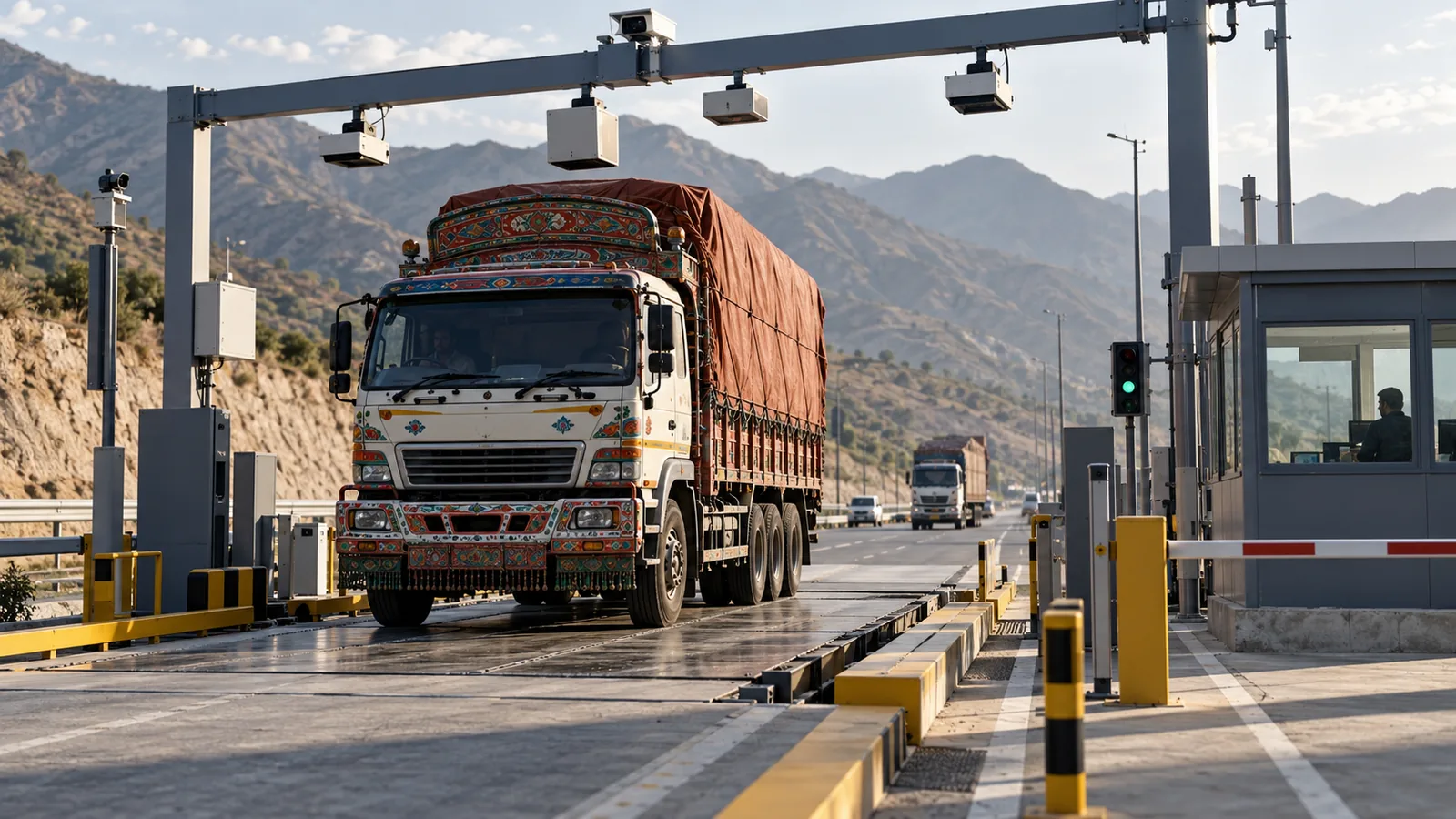
Pakistan Tightens Axle-Load Enforcement: What Fleet Operators Should Prepare For
What Pakistan’s 2026 axle-load enforcement direction means for fleet records, weighing, tyre load index checks and commercial tyre RFQs.
Read publicationDiscuss your tyre requirement
Tell MYCO what the vehicle carries, where it runs and which axle needs a tyre.