How Tyre Dealers Should Store TBR and PCR Tyres in Pakistan’s Climate
Good warehouse practice protects saleable condition before a tyre reaches the road. For tyre dealers in Pakistan, the priorities are a cool, dry and ventilated space, protection from sunlight and ozone, clean handling, sensible positioning and a stock record that supports inspection and rotation.
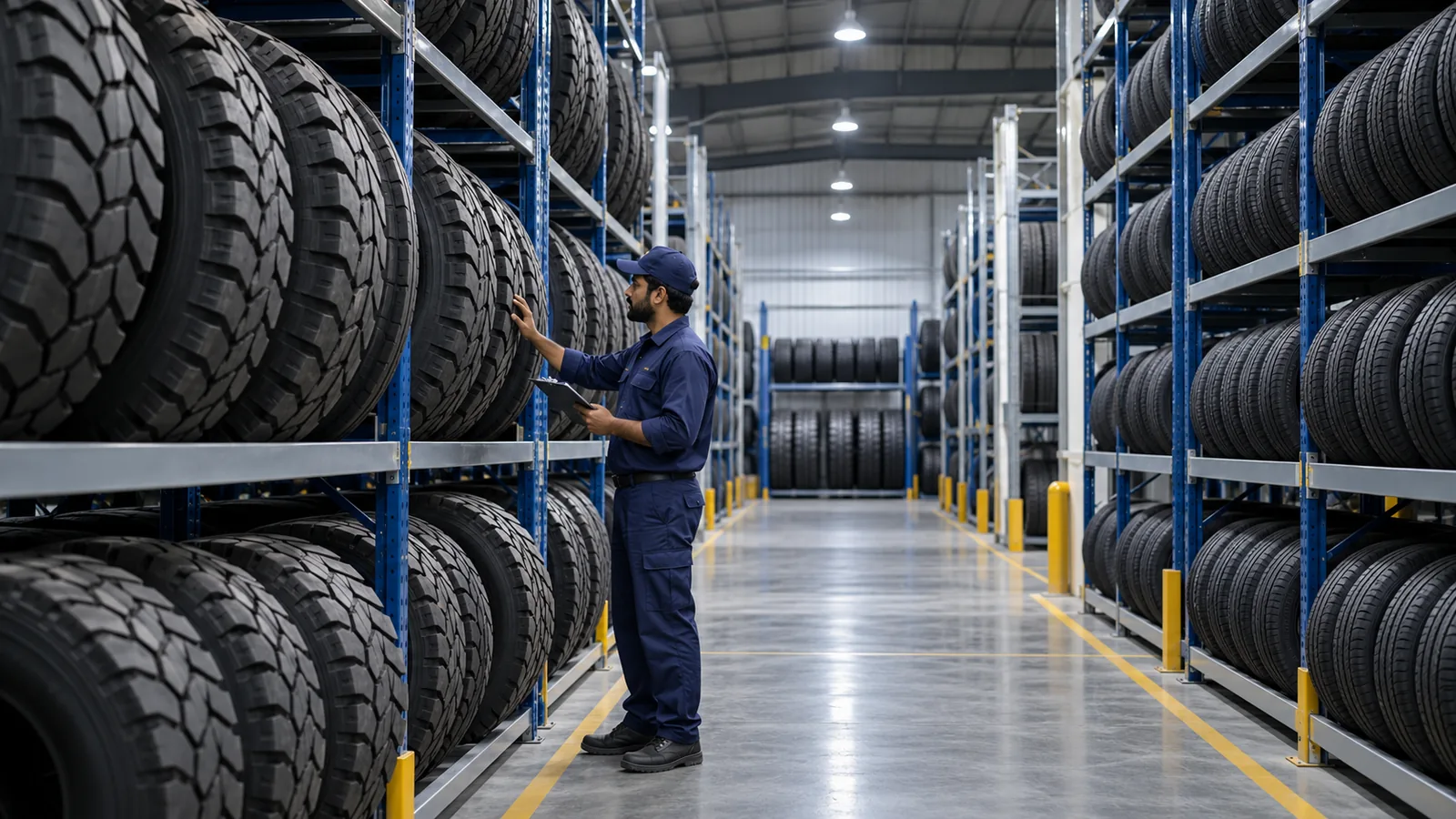
Control the storage environment
Continental’s commercial tyre technical guidance calls for tyres to be stored in dry, cool, moderately ventilated rooms protected from direct sunlight. It also warns against ozone-producing equipment, fuels, lubricants, chemicals and sharp or hot objects. Michelin similarly recommends a clean, ventilated and dry location, away from weather, heat and substances that can alter rubber.
These controls matter in Pakistan because direct sun on a loading area, heat trapped under a metal roof, monsoon moisture and workshop contaminants can exist within the same premises. A warehouse does not need to be refrigerated, but it should prevent concentrated heat, standing water and prolonged ultraviolet exposure. Use blinds or opaque protection where sunlight reaches stored tyres, and address roof leaks before stock is placed below them.
Separate tyres from damaging sources
- Keep tyres away from motors, transformers, welding equipment and other possible ozone sources.
- Do not store them beside fuel, oil, solvents, acids, disinfectants or unidentified workshop chemicals.
- Keep the floor and racks clean, with no sharp edges that can mark beads or sidewalls.
- Use appropriate handling equipment and avoid dropping, dragging or lifting tyres by a way that damages the bead.
- Maintain clear aisles so staff can inspect and rotate stock safely.
Position TBR and PCR stock correctly
Storage method depends on whether a tyre is mounted, its size and the rack system. Follow the tyre maker’s instructions and the rack manufacturer’s load limits. Avoid distortion from poor support or excessive stacking. Large TBR tyres need equipment and spacing suitable for their weight; PCR stock needs organised bays that keep sizes and patterns identifiable without unsafe piles.
Continental advises that tyres stored for extended periods should be rotated or repositioned to reduce distortion, and that stock should be used in the order received. A first-in, first-out process is therefore a useful control, supported by receipt date, batch or date-code records and regular visual checks. FIFO does not replace inspection: any tyre with unusual deformation, contamination or damage should be set aside for competent assessment.
A monthly dealer warehouse walk
| Area | Question | Action |
|---|---|---|
| Roof and walls | Any leaks, direct sun or unusual heat? | Move stock and correct the source |
| Racks and floor | Clean, stable and free of sharp edges? | Isolate unsafe bays |
| Nearby equipment | Motors, welders or chemicals close by? | Restore safe separation |
| Stock condition | Distortion, dirt, moisture or damage? | Reposition or quarantine for inspection |
| Rotation records | Oldest suitable stock presented first? | Correct bay labels and pick order |
Receiving and dispatch controls
Storage quality begins at receipt. Compare the delivery with the purchase record, inspect packaging and visible condition, and place tyres in the correct bay without leaving them in an exposed yard. Record the receipt date and the identifying information your business uses for traceability. If a tyre is wet or contaminated, do not hide it inside a stack; isolate it and follow the supplier or manufacturer’s handling advice.
At dispatch, check that the selected size, pattern and quantity match the order and that handling has not damaged the bead or sidewall. Clean, legible bay labels reduce picking errors, but labels should sit on racks rather than adhesive being applied to critical tyre surfaces. These simple hand-offs connect warehouse protection with accurate dealer service.
Browse MYCO’s brands
Dealers comparing a wholesale tyre distributor in Pakistan can browse MYCO’s prototype ranges for Hifly, Tercelo, Fortune, Longmarch and Roadlux. Use the TBR range for commercial truck and bus patterns, or the PCR range for passenger tyres wholesale enquiries.
When asking about truck tyres in Karachi or passenger stock for another city, send brand or acceptable alternatives, size, quantity, required date and delivery location. The prototype data is a planning aid; the sales desk must confirm current availability and specification before order.
Frequently asked questions
Can tyres be stored in direct sunlight?
No. Store tyres indoors and protect them from direct sunlight, weather and concentrated heat, following manufacturer guidance.
Should a dealer use first-in, first-out rotation?
Yes. Receipt-date records and FIFO picking support orderly stock rotation, alongside condition inspections.
Can tyres be stored near workshop motors or chemicals?
Keep them away from ozone-producing equipment and from fuel, oil, solvents and other chemicals that may affect rubber.
References
- Continental — Commercial Vehicle Tyres Technical Data Book, storage guidance
- Michelin — Tyre usage and storage tips
Technical and regulatory information should be checked again before operational or legal decisions.
Related publications
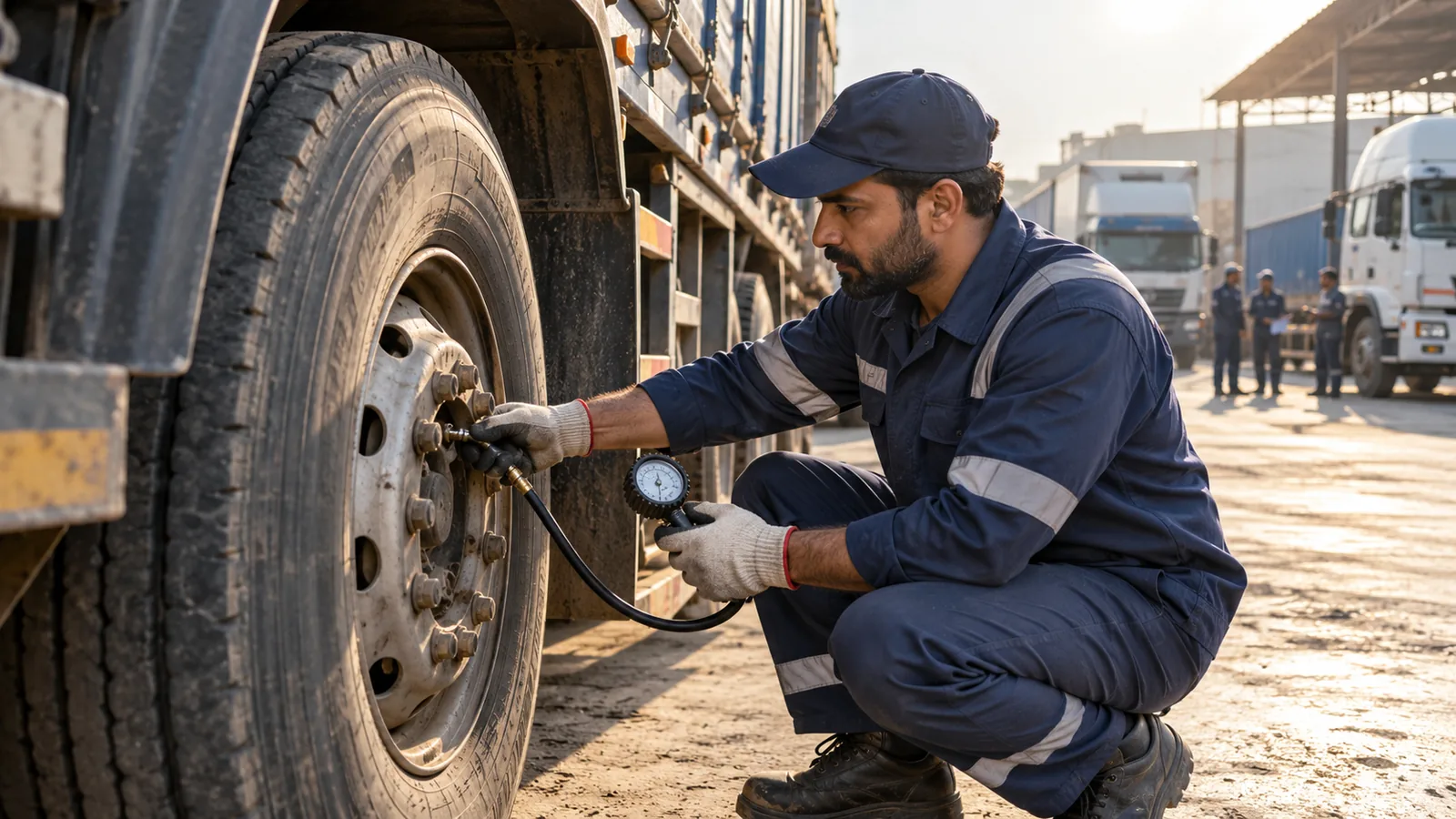
Hot-Weather Truck Tyre Pressure: A Fleet Checklist for Pakistan
A practical truck tyre pressure checklist for Pakistan fleets covering heat, axle load, valves, damage checks and 315/80R22.5 tyre selection.
Read publication
The Lowest Tyre Price Is Not Always the Lowest Fleet Cost
How fleets in Pakistan can compare commercial truck tyres by cost per kilometre, downtime, fuel influence, maintenance, route and casing value.
Read publication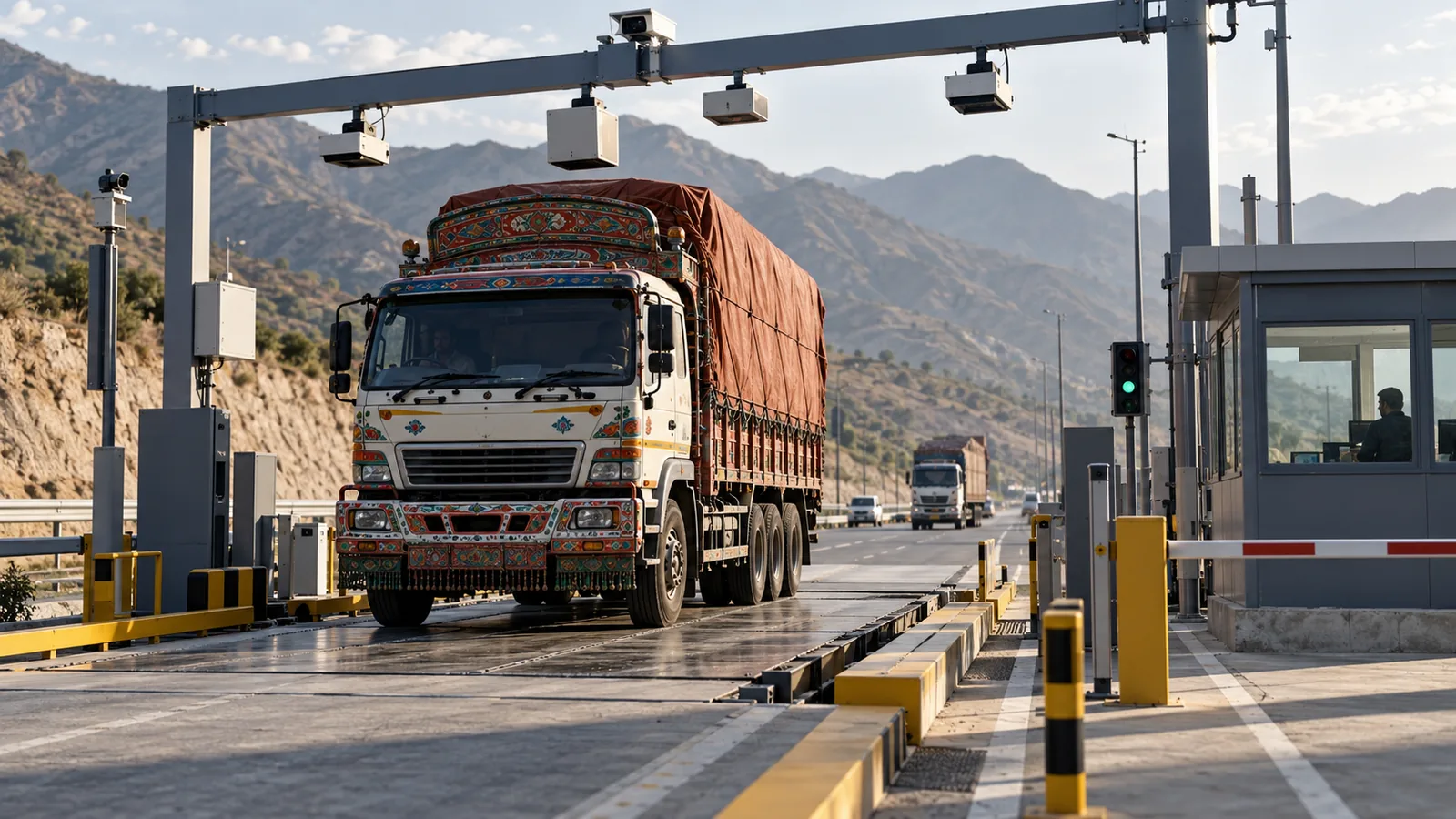
Pakistan Tightens Axle-Load Enforcement: What Fleet Operators Should Prepare For
What Pakistan’s 2026 axle-load enforcement direction means for fleet records, weighing, tyre load index checks and commercial tyre RFQs.
Read publicationDiscuss your tyre requirement
Tell MYCO what the vehicle carries, where it runs and which axle needs a tyre.